Digital learning: insights from the classroom

Digital integration in teaching and learning must not be a question of digital for the sake of it – so what should drive it?
Oxford University Press has carried out research to provide an international snapshot of digital adoption in education, hearing directly from teachers and pupils about when and why they turn to digital tools.
Working with our community of educators and learners, we surveyed 400 teachers and 600 secondary school students across the UK, Brazil, Hong Kong, and South Africa, alongside focus groups with teachers and students in the UK.
Our findings suggest that, despite concerns about the impact of screen time, teachers and students are choosing what works for effective learning in their own integration of digital learning resources, revealing a landscape of nuanced and individualized approaches.

Alex Sykes
“We are continually thinking about what it means to truly integrate digital into teaching and learning in an impactful way. One thing is clear: pedagogy must always come first.
“Our recent research on digital use and preferences indicates that the adoption of digital is shaped by a unique set of values, goals, and experiences. Teachers and students naturally make a choice about their use of digital tools and services based on the desired outcome, rather than on format. However, this choice is rarely binary—it is not a decision between digital and analogue methods but a choice of how and when to use both in combination.
“Both students and teachers think creatively and carefully about what best suits their needs, and both groups perceived a clear difference in their use of technology for teaching and learning, and more passive uses of technology and screen time in their home lives. Concerns about the possible negative influences of devices in their personal lives were expressed very differently from the benefits offered by digital technology in the classroom, if implemented appropriately.

“At Oxford University Press, we lead with learning—a sentiment reflected among the communities we support. With decision-making led by a bespoke and personal approach to the adoption of digital tools, services, and technology, the focus remains on educational outcomes. Across the world, teachers and learners stand on the precipice of yet another digital revolution and as our research indicates, wherever they are in the world, they stand ready to embrace it.”
Key findings
The findings should be viewed as a snapshot rather than a comprehensive representation of all teachers’ and students’ experiences. They are based on surveys of 400 teachers and 600 secondary school students across the UK, Brazil, Hong Kong, and South Africa, and focus groups conducted in the UK.
64% of students
use digital tools most of the time for homework.

17% of students
never use digital for reading tasks and 13% never use digital for number tasks.

53% of students
want the amount of digital learning to increase.

63% of teachers
use digital tools most of the time for research and finding information.

60% of teachers
believe digital improves student engagement in lessons.
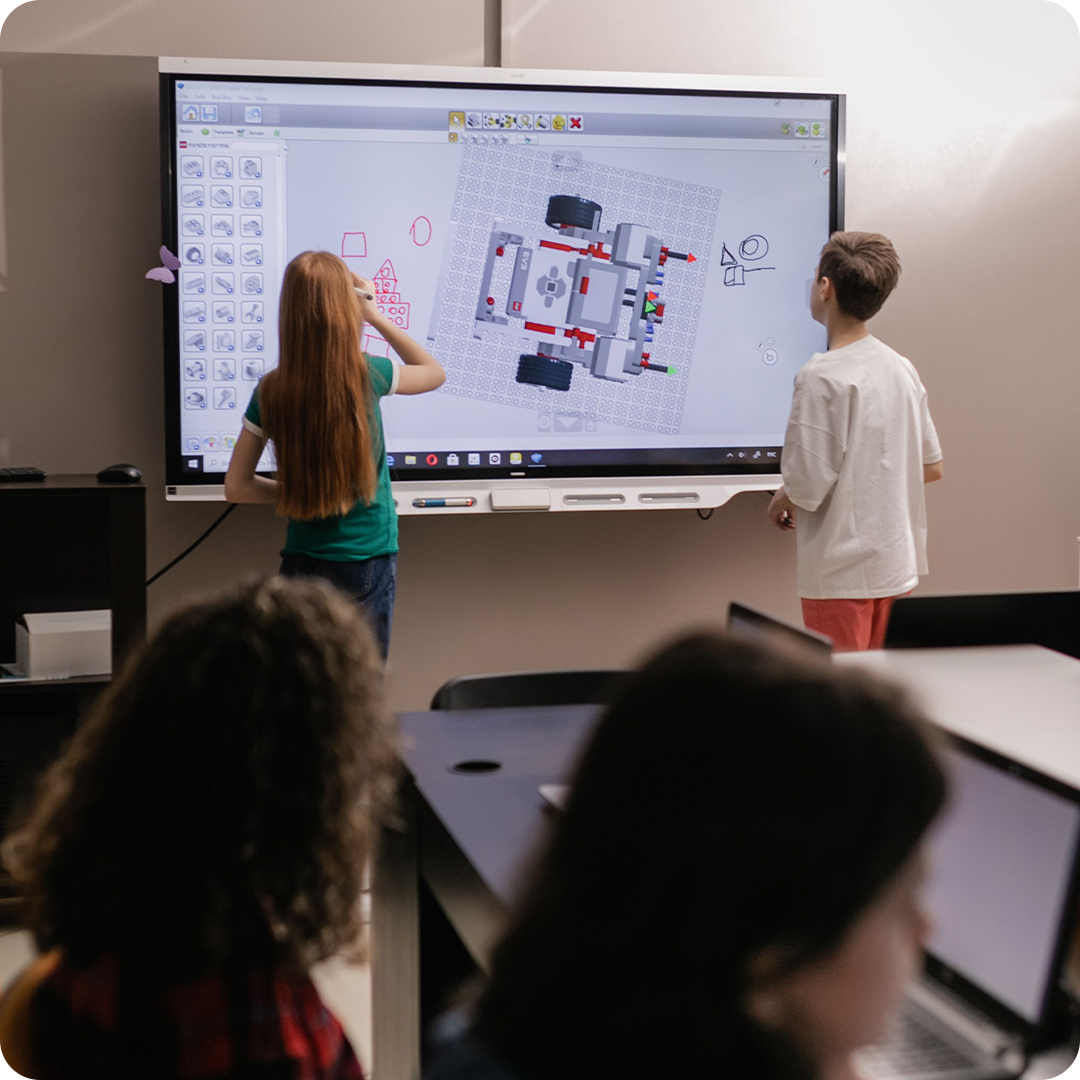
52% of teachers and 47% of students
identify distraction as the biggest challenge.

Executive summary
Almost everyone we surveyed had at least some access to digital and a large proportion are readily using AI chatbots to support teaching and learning. However, the variations that remain between different countries and settings highlight the need for a flexible approach to digital integration.
Teachers and students are not choosing to use either analogue or digital but an intentional combination of both. Much of the classroom and homework infrastructure is now digital but it is employed to enhance, rather than replace traditional learning approaches and activities.
Teachers and students make their own choices about where and how to use digital tools, platforms, and devices, based on the outcomes they want to achieve and the approaches they feel confident will be effective, rather than simply their preference for a particular format.
Research participants valued the purposeful use of digital for teaching and learning in comparison to more passive, distracting experiences of digital devices in their personal lives. They demonstrated a high level of awareness around both the challenges and opportunities of greater digital integration into teaching and learning.
Teachers and learners actively choose to use digital only where they are confident that it can add value. To integrate digital successfully, the pedagogical benefits and importance of the teacher must remain the fundamental drivers.
Related articles