The importance of young people and education for global development
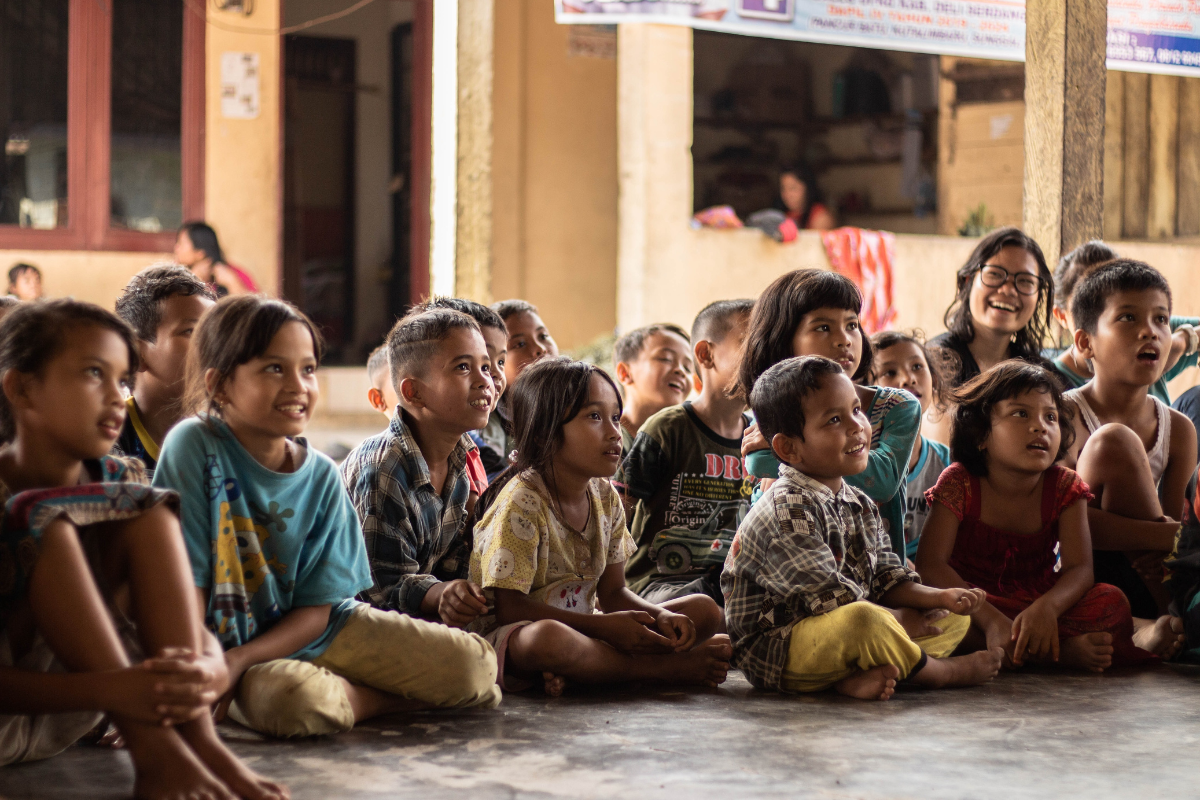
This Saturday (24 January) marks UNESCO International Day of Education, a day that celebrates the role of education in promoting peace and development.
This year, UNESCO International Day of Education 2026 has a special focus on the incredible power young people have to drive change and shape the future of learning.
At Oxford University Press, we support lifelong learning for all, from helping children develop the skills they need to thrive in a rapidly changing world to supporting teachers in some of the most remote corners of the world.
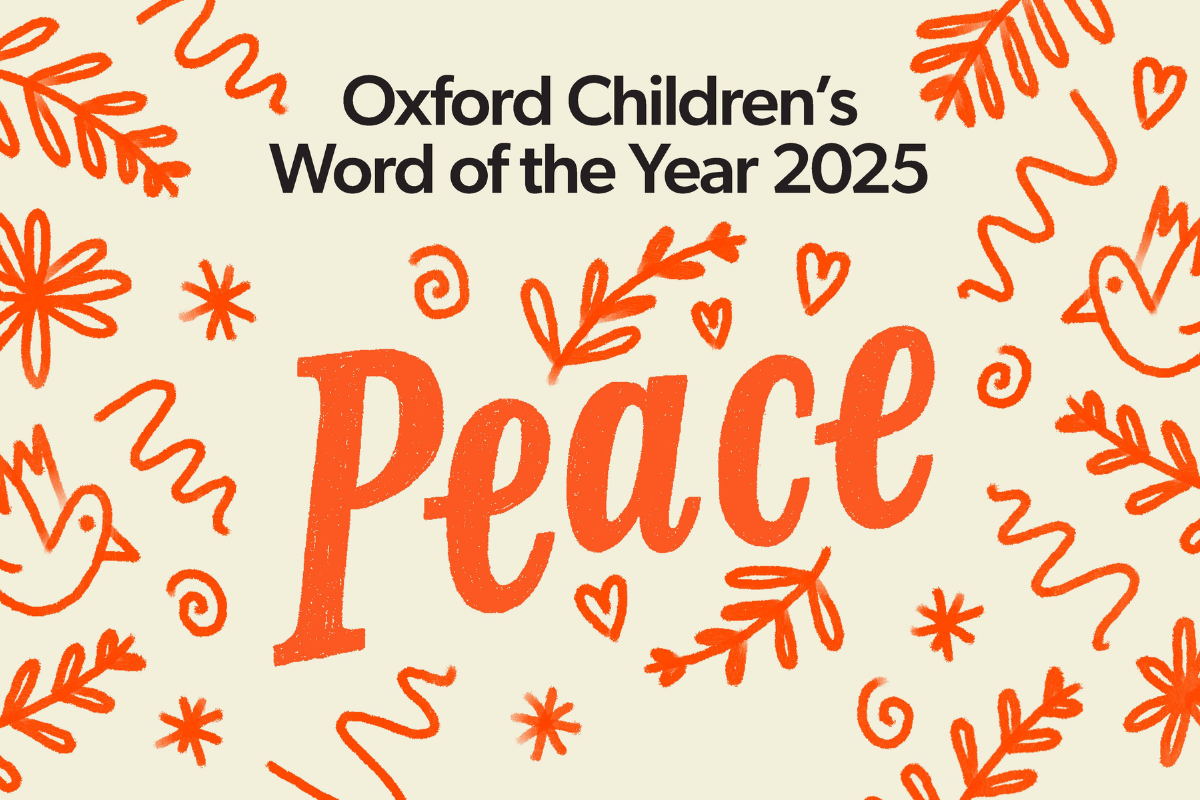
As we reflect on Oxford Children’s Word of the Year for 2025, peace, chosen by young people themselves, we’re reminded of the vital role education and literacy play in helping children understand the world, express their hopes, and build a more peaceful future.
Explore some of our stories from the past year, including how we reach learners and educators across rural Africa, and help to strengthen education for communities worldwide.
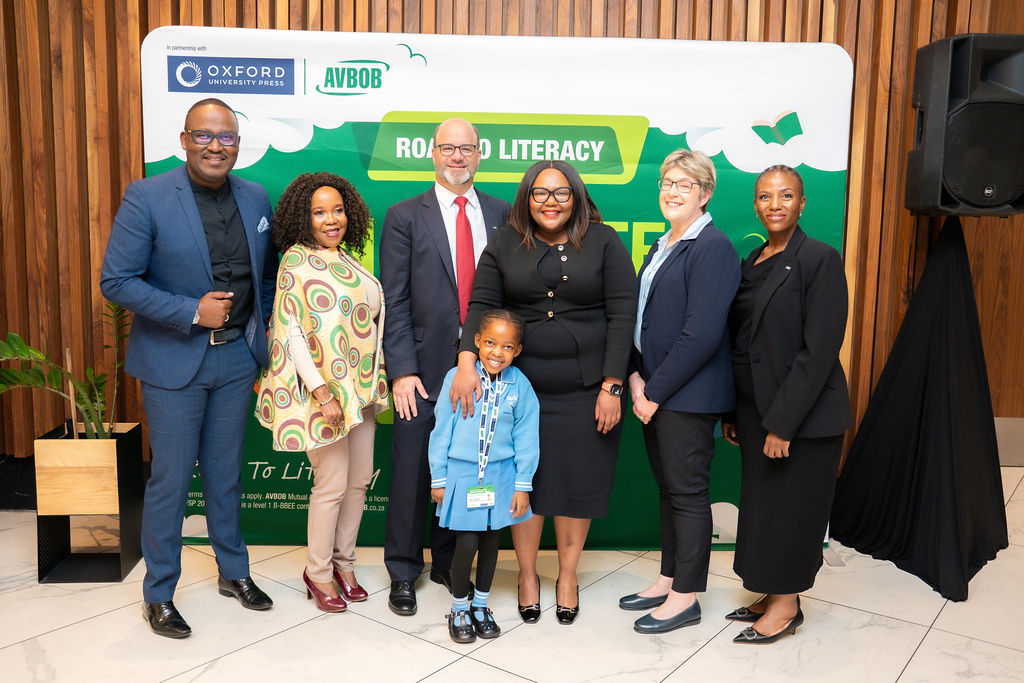
Another successful milestone on the Road to Literacy in South Africa
We celebrated a significant expansion of the Road to Literacy campaign in association with AVBOB, in which we announced the next 1,000 recipients of mobile trolley libraries, each stocked with 500 curriculum aligned books in all 11 written languages in South Africa.
Karen Simpson, Managing Director of OUP Southern Africa, said: “Access to books in a learner’s mother tongue has a profound impact on their ability to grasp foundational concepts, stay engaged in the classroom, and remain in the education system. We are steadfast on publishing our books in all of South Africa’s official written languages, and the AVBOB Road to Literacy campaign enables us to place these resources directly in the hands of the learners who need them most.”
OxfordAQA expands global offer with seven new International GCSEs and A-levels
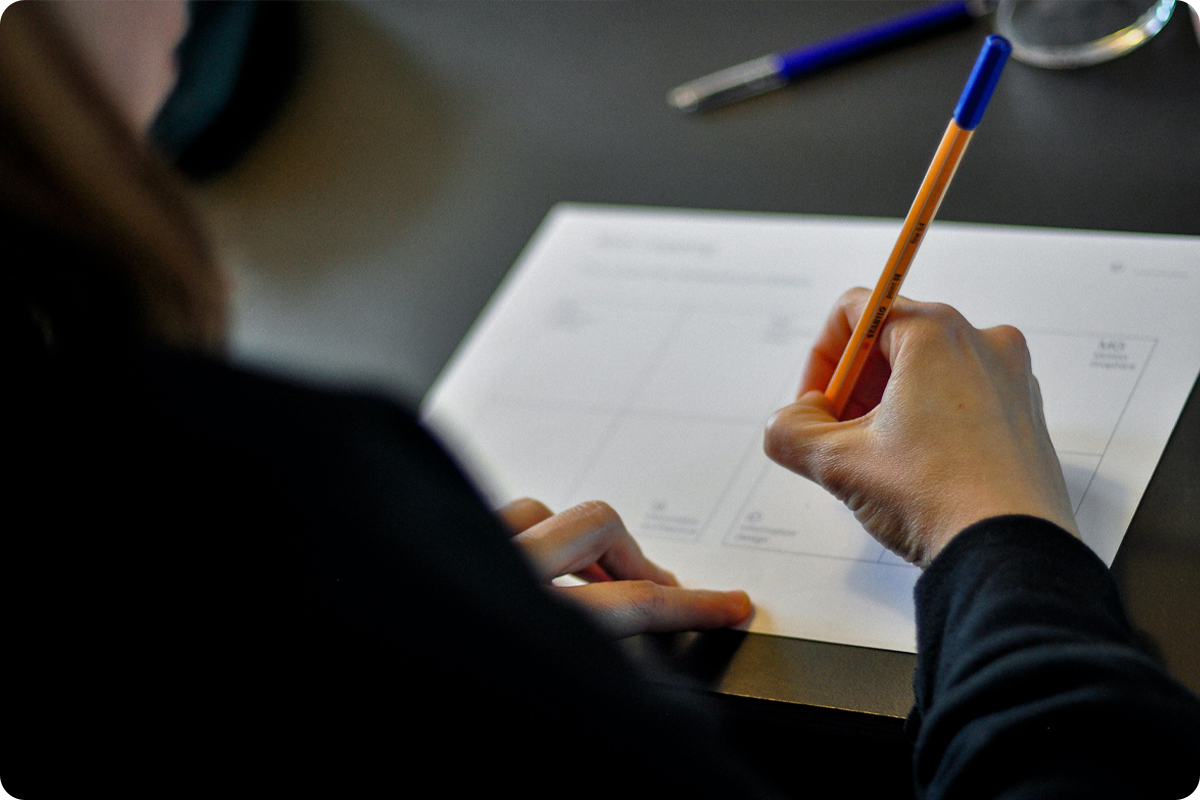
Reinforcing its commitment to preparing students for success in higher education, the workplace, and beyond, OxfordAQA launched new international qualifications, including Chinese – First Language and Sociology at both International GCSE and International A-level. Each addition has been designed to equip students with both subject knowledge and the critical thinking skills needed to thrive in a rapidly changing world.
Andrew Coombe, Managing Director for OxfordAQA, said: “We want to empower students to think independently, apply their learning, and collaborate effectively. This not only sets them up for success in their exams but also equips them with the skills that universities want to see, ensuring that students are ready for their futures.”
OUP India establishes 100 libraries for underprivileged children
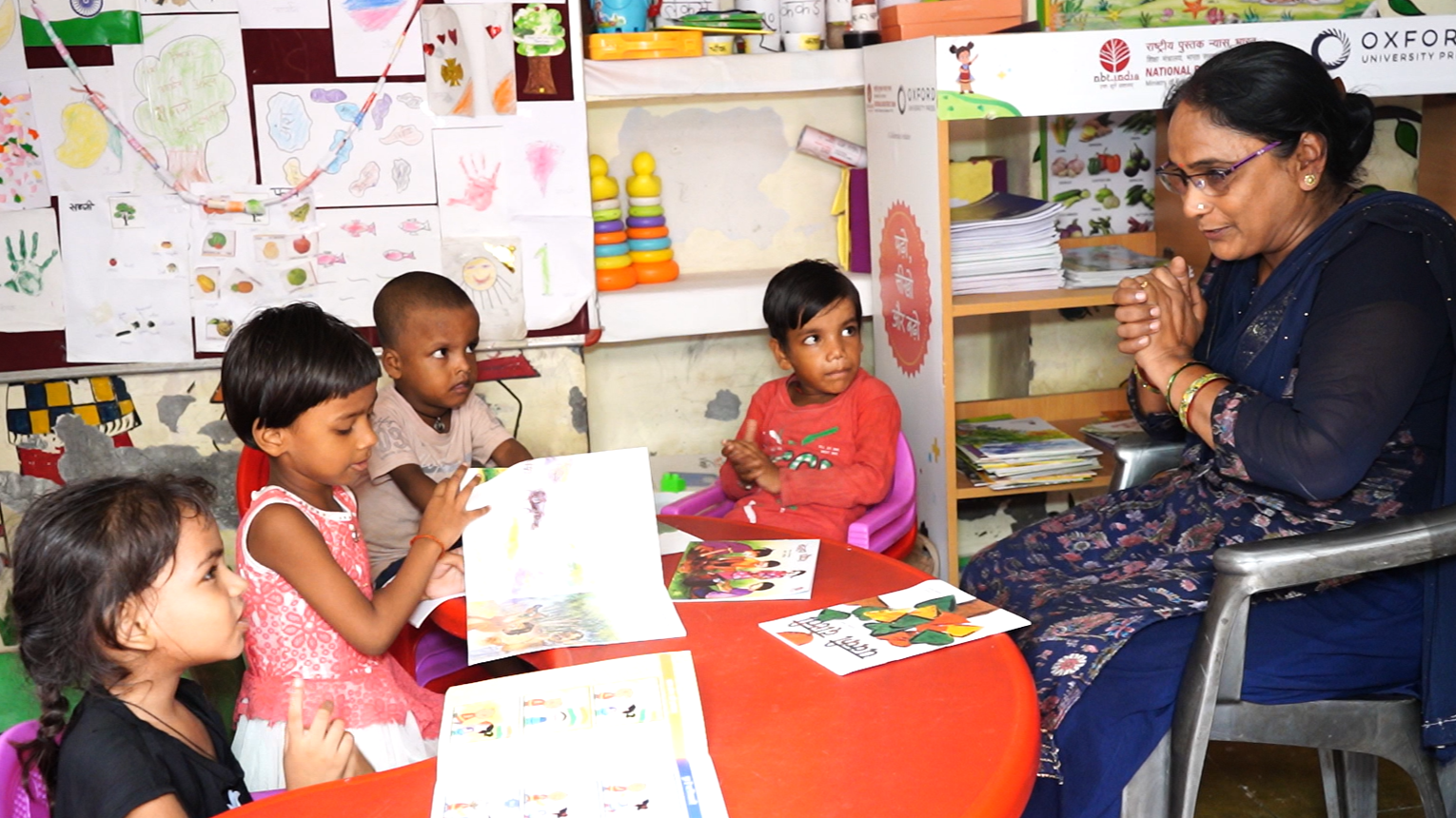
In 2025, OUP India partnered with the National Book Trust to establish libraries across 100 Anganwadi centres—rural childcare centres under India’s Integrated Child Development Services—in Uttar Pradesh. The initiative aims to make reading approachable and exciting, foster a lifelong love for books, and embed reading as a natural part of daily life.
Sukanta Das, Managing Director of OUP India, said: “We believe that books have the power to change lives, and our mission has always been to make high-quality learning resources accessible to every child. This collaborative initiative with the National Book Trust India, supported by the Government of Uttar Pradesh, reflects our commitment to promoting literacy and social development. These libraries are more than just collections of books—they are gateways to imagination, knowledge, and lifelong learning.”
Reaching learners and educators across rural Africa
We spoke with members of our team at OUP Southern Africa to learn more about the work they do to get high-quality learning materials to learners across Africa.
Yolandi Farham, Product Director, shared how we ensure our content is relevant to all learners, wherever they are: “We align our content closely with the local curriculum, and we are intentional about using stories, examples, and imagery that reflect the socio-economic environments learners experience daily. It’s essential that learners see themselves and their circumstances represented in the content—they need to feel seen and understood. At the same time, we incorporate aspirational elements: articles, stories, and visuals that spark curiosity and encourage a love of lifelong learning.”

Related articles