Earth Day: how we are moving climate literacy and education forward

Publishing plays a key role in educating future generations on social and environmental issues, promoting critical thinking, and increasing the impact of research.
At Oxford University Press, we publish for all ages, from children to adults, helping to build climate literacy and strengthen education at every stage of learning. Many of the titles and content we publish address some of the world’s most pressing sustainable development challenges, as well as inspire action.
As a signatory to the United Nation’s Sustainable Development Goals (SDGs) Publishers’ Compact, we actively promote and acquire content that advocates for themes represented by the SDGs, such as equality, sustainability, justice, and safeguarding and strengthening the environment.
This Earth Day, hear from some of our colleagues about how we’re supporting climate literacy and education in our publishing.

Alexandra Kanovsky
Acquisitions Editor
“Oxford Intersections, an interdisciplinary resource aimed at addressing key global challenges, is proud to present several upcoming climate-focused topics including Environmental Change and Human Experience, Cultures of Waste, Climate Adaptation, and Disaster Dynamics.
“These Intersections will publish timely and critical research from across humanities and social sciences disciplines to explore complex global issues, including how humanity and nature adapt and respond to climate change and other societally induced environmental challenges.
”An interdisciplinary approach to commissioning allows Oxford Intersections to explore concerns from a litany of perspectives, both throughout history and with a forward focus, such as in the sections “New Frontiers” (Environmental Change and Human Experience), “Waste Futures” (Cultures of Waste), and “Narratives of the Future” (Climate Adaptation). These topics will provide an important outlet for researchers and practitioner experts to share their scholarship in concert, creating a kaleidoscopic resource of interlinked material that will be of interest to a variety of audiences.”

Maxine Spence
Senior Product Manager, Green Sparks
“Our goal was simple, but ambitious: to introduce sustainability to young readers through engaging storytelling, rich non-fiction, and age‑appropriate concepts. What makes this series unique is the alignment of its 42 carefully levelled books with the United Nations Sustainable Development Goals (UN SDGs). All the books are dedicated to helping children understand and care about their world.
”At OUP, we have decades of experience creating levelled readers that build reading confidence. With Green Sparks, we wanted to harness that expertise to address one of the biggest themes in education today: sustainability.”
Lou John
Head of Children’s and Primary IP
“The Very Short Introductions (VSI) for Curious Young Minds series opens the door to big ideas for readers who are just beginning to explore the world around them. Each book distils complex topics into clear, engaging explanations that spark curiosity, helping young people build confidence as independent thinkers.

”The Causes and Impact of Climate Change VSI is a particularly important example: it gives children the tools to understand not only what climate change is, but why it matters, and how their choices can shape a more sustainable future. Our hope is that climate literacy empowers young readers to feel informed rather than anxious, and to see themselves as part of a global story of care and responsibility. Across the series, that’s our aim—to nurture curiosity, inspire questions, and make knowledge feel accessible to every young mind.”
Matt Davidson
Head of International Primary and Curriculum
“At every stage of creating the Oxford International Curriculum for Sustainability, we’ve had to ask how learning can encourage active exploration and inspire learners to see how they can contribute to solutions—large and small—that make our planet more sustainable. This is an international curriculum, and we’ve ensured place-based learning, which engages students in their community—including their physical environment, local history, people, or culture.”

Alicia Smith and Fiona Simmons
Portfolio Product Manager and Managing Editor
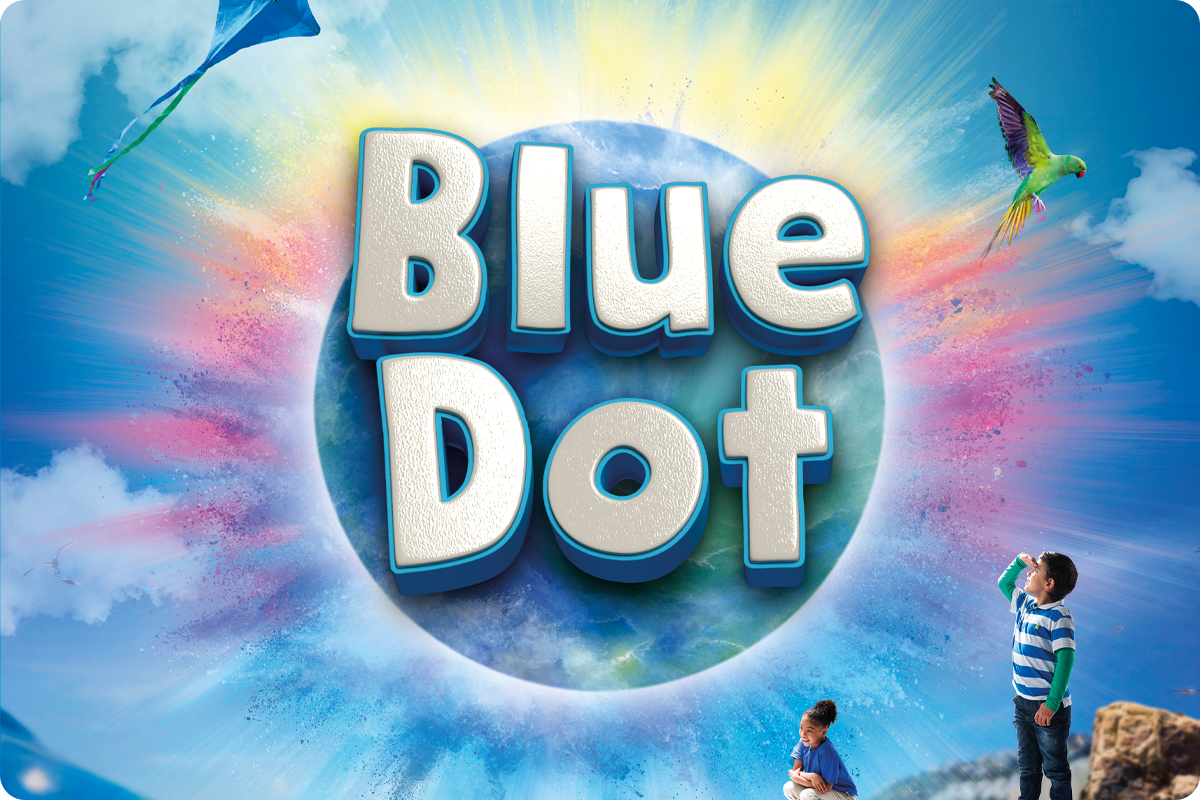
“The central message of Blue Dot is that the young learners of today are the changemakers of tomorrow.
“By employing a concept-based inquiry methodology in conjunction with English language learning methodologies, we aim to develop students’ metacognitive skills to better understand the world around them. When students can see how conceptual ideas are transferable across different situations, they are better equipped to think critically and approach the challenges we all face in the context of how to deal with a rapidly changing climate.
”Students using Blue Dot will explore a rich variety of content that is aligned to concepts such as sustainability, energy, and cooperation. Through this, they will discuss and debate the challenges and potential solutions to some of our biggest environmental issues both today and in the future. We hope students using Blue Dot feel as inspired using it as we felt making it.”

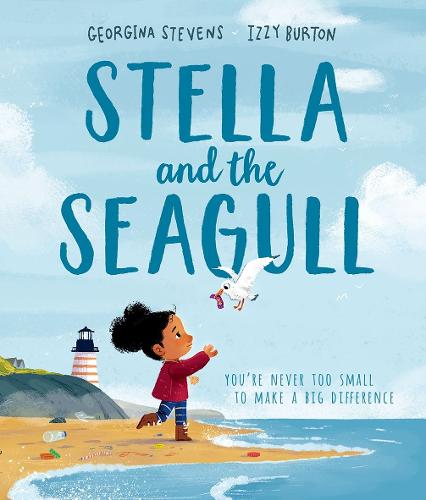
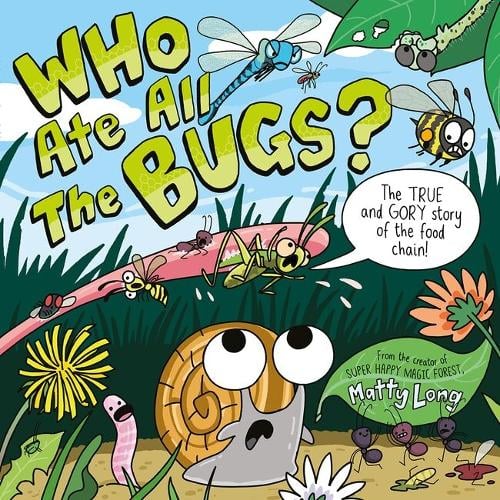
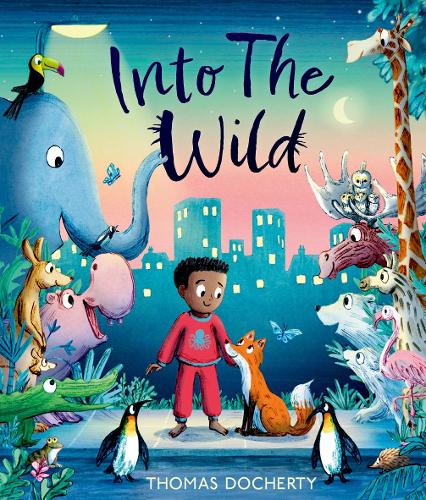
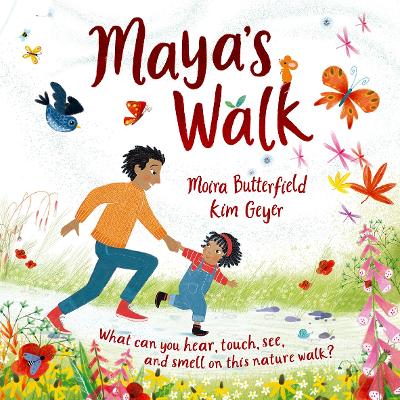
Our book recommendations for Earth Day
Related articles